
Introduction
Many people who take prescription medications also use dietary supplements to support their overall health and wellness goals. Whether it’s vitamin D for bone health, probiotics for digestive support, magnesium for relaxation, or zinc for immune function, supplements have become a routine part of many wellness programs.
This raises an important question: Can ivermectin and supplements be taken together safely?
The answer depends on several factors, including the type of supplement, dosage, overall health status, liver function, and any additional medications being used. While many common vitamins and minerals do not have well-documented major interactions with ivermectin, healthcare professionals still recommend reviewing all supplements before combining them with prescription medications.
If you’re looking for a broader overview of ivermectin itself, including approved uses, dosage information, and safety considerations, see our guide:
Ivermectin Guide USA: Uses, Benefits, Dosage, Safety & Important Medical Information
In this article, we’ll explore the current evidence surrounding ivermectin and supplements, discuss potential interaction concerns, review common supplement categories, and provide expert guidance for safe use.
What Is Ivermectin?
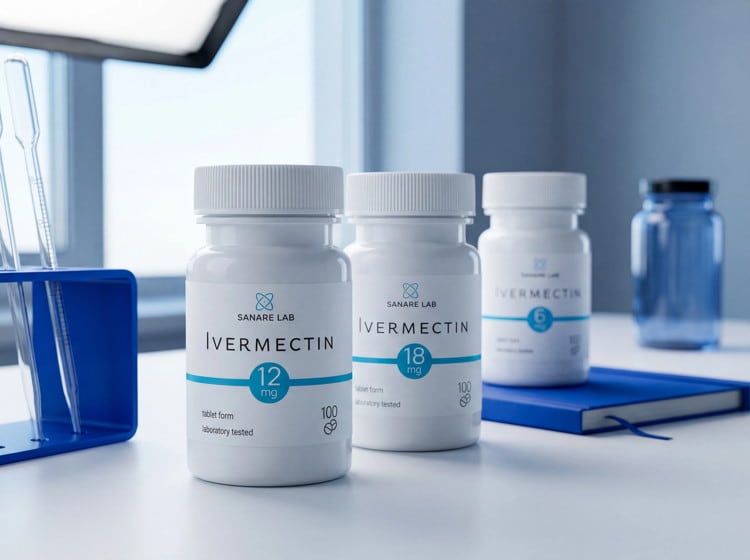
Ivermectin is a prescription antiparasitic medication used to treat specific parasitic infections in humans. It has been used globally for decades and remains an important medication for certain approved medical conditions. According to MedlinePlus, ivermectin is commonly prescribed for conditions such as strongyloidiasis and onchocerciasis.
Ivermectin works by affecting the nervous system of susceptible parasites, helping eliminate them from the body. It is available only through appropriate medical channels and should always be used according to professional medical guidance.
Why People Ask About Ivermectin and Supplements
The use of supplements has expanded significantly over the past decade. Consumers commonly use products for:
- Immune support
- Digestive wellness
- Heart health
- Sports nutrition
- Stress management
- Sleep support
- Healthy aging
- General nutritional support
Because supplements contain biologically active ingredients, questions about interactions are entirely appropriate.
The National Center for Complementary and Integrative Health (NCCIH) notes that supplements can sometimes increase, decrease, or otherwise alter the effects of medications, making healthcare-provider consultation important whenever supplements and prescription drugs are combined.
Understanding How Medication and Supplement Interactions Occur
Not all interactions are dangerous, but understanding how they occur can help consumers make informed decisions.
Absorption Interactions
Some supplements may affect how medications are absorbed in the digestive tract.
Examples include:
- Timing of administration
- Mineral competition
- Food-related effects
- Digestive health factors
Metabolism Interactions
The liver processes many medications and supplements.
Certain compounds may:
- Increase metabolism
- Slow metabolism
- Change medication concentrations
Additive Effects
Some supplements may contribute to similar side effects as medications, potentially increasing discomfort or risk.
Individual Factors Matter
Interaction risks may vary based on:
- Age
- Liver function
- Kidney function
- Existing health conditions
- Medication dosage
- Supplement dosage
According to the NIH, interactions can occur between medications and vitamins, minerals, herbal products, and nutritional supplements.
Can You Take Supplements With Ivermectin?
Current evidence does not identify widespread major interactions between ivermectin and many common vitamins or minerals. However, this should not be interpreted as a guarantee of safety for every individual or every supplement combination.
Healthcare professionals typically recommend:
- Reviewing all supplements before starting ivermectin
- Following label instructions carefully
- Avoiding excessive doses
- Consulting a pharmacist when uncertain
Some medication resources note that no major supplement interactions are widely recognized for ivermectin, but they also emphasize that interaction information can evolve as new evidence emerges.
Common Supplements and Ivermectin
Vitamin D
Vitamin D remains one of the most commonly used dietary supplements worldwide.
Consumers often use vitamin D to support:
- Bone health
- Muscle function
- Immune system health
Current evidence does not identify a major direct interaction between standard vitamin D supplementation and ivermectin.
Reference:
Best Practice
- Use recommended doses.
- Avoid excessive supplementation.
- Discuss high-dose vitamin D use with your healthcare provider.
Zinc
Zinc is frequently used for:
- Immune support
- Wound healing
- Cellular health
No widely recognized major interaction has been established between standard zinc supplementation and ivermectin.
Reference:
Magnesium
Magnesium supports:
- Muscle function
- Nervous system function
- Cardiovascular health
- Sleep quality
Current evidence does not indicate significant interaction concerns between standard magnesium supplementation and ivermectin.
Reference:
Vitamin C
Vitamin C remains a popular wellness supplement for general nutritional support.
Consumers commonly use vitamin C to support:
- Antioxidant activity
- Collagen production
- Immune function
No major direct interaction is widely recognized between vitamin C and ivermectin.
Reference:
Probiotics
Probiotics are commonly used to support digestive health and microbiome balance.
Current evidence does not suggest a significant direct interaction between probiotics and ivermectin.
Reference:
National Center for Complementary and Integrative Health
Herbal Supplements Require Extra Attention
While many vitamins and minerals are relatively straightforward, herbal supplements deserve additional caution.
Examples include:
- St. John’s Wort
- Ginseng
- Garlic extracts
- Echinacea
- Turmeric concentrates
- Ashwagandha
- Milk thistle
According to the NCCIH, herb-drug interactions can occur because some botanicals influence metabolic pathways involved in medication processing.
St. John’s Wort
St. John’s Wort is particularly well known for its potential to affect medication metabolism.
Consumers using herbal supplements should always disclose them during medication reviews.
Liver Health and Ivermectin
Because ivermectin is processed through the liver, liver health remains an important consideration.
According to LiverTox (NIH/NCBI), ivermectin is generally well tolerated, although rare instances of liver-related adverse effects have been reported.
Individuals with:
- Chronic liver disease
- Hepatitis
- Cirrhosis
- Elevated liver enzymes
should discuss supplement use with healthcare professionals before combining products.
Common Misconceptions About Ivermectin and Supplements
Natural Means Risk-Free
Natural products may still:
- Cause side effects
- Affect medication metabolism
- Create interactions
Supplements Don’t Need to Be Reported
Healthcare professionals should know about:
- Prescription medications
- Over-the-counter products
- Vitamins
- Minerals
- Herbal products
- Sports nutrition supplements
More Supplements Produce Better Results
Wellness outcomes are usually best supported by:
- Balanced nutrition
- Physical activity
- Quality sleep
- Stress management
- Preventive healthcare
Wellness Strategies That Matter More Than Any Single Supplement
Focus on Nutrition First
The World Health Organization (WHO) emphasizes the importance of healthy dietary patterns that include fruits, vegetables, whole grains, and balanced nutrition.
Prioritize Sleep
Consistent sleep supports:
- Recovery
- Cognitive performance
- Immune health
- Overall wellness
Stay Physically Active
Regular movement supports:
- Cardiovascular health
- Metabolic health
- Mental well-being
Manage Stress
Evidence-based stress management strategies include:
- Exercise
- Mindfulness
- Social support
- Professional counseling when needed
Special Note: Questions About Ivermectin and COVID-19
Many online searches involving ivermectin also involve questions related to COVID-19.
Current medical guidance and evidence regarding ivermectin and COVID-19 continue to be evaluated through scientific research and recommendations from major health authorities. Readers looking for a detailed review of current evidence, safety considerations, and professional guidance should visit:
Ivermectin COVID Dosage: Evidence, Safety & Current Medical Guidance
This helps ensure readers receive up-to-date information based on current scientific evidence and healthcare recommendations.
When Should You Speak With a Pharmacist?
Consult a pharmacist before combining ivermectin with supplements if you:
- Take multiple medications
- Have liver disease
- Have kidney disease
- Are pregnant or breastfeeding
- Use herbal supplements
- Take high-dose vitamins
- Have chronic health conditions
A medication review can help identify potential concerns before they become problems.

FAQ Section
Can I take vitamins with ivermectin?
Many standard vitamins may be compatible with ivermectin, but individual factors should always be considered.
Does vitamin D interact with ivermectin?
No major direct interaction is widely recognized, though healthcare guidance remains important.
Can I take zinc while using ivermectin?
Standard zinc supplementation is not generally associated with significant interaction concerns.
Are probiotics safe with ivermectin?
Current evidence does not suggest significant direct interactions.
Which supplements require the most caution?
Herbal supplements often deserve additional review because they may affect medication metabolism.
Why should I tell my pharmacist about supplements?
Complete medication records help identify potential interactions and improve safety.
Can supplements improve ivermectin effectiveness?
There is insufficient evidence to recommend supplements specifically to enhance ivermectin’s effects.
Is it safe to combine multiple supplements with ivermectin?
The more products you use, the more valuable a pharmacist review becomes.
Should people with liver disease be more cautious?
Yes. Liver health may affect medication processing and should be discussed with healthcare providers.
When should I seek professional advice?
Whenever you’re uncertain about a medication-supplement combination or have underlying health conditions.
Conclusion
Understanding the relationship between ivermectin and supplements is an important part of responsible medication use. While many common vitamins, minerals, and wellness supplements are not associated with major documented interactions, individual health circumstances always matter.
A balanced approach that combines evidence-based wellness habits, responsible supplement use, and professional healthcare guidance provides the best foundation for long-term health and medication safety.
Looking for trusted wellness support? Explore our immune health, digestive wellness, heart health, sleep support, and daily vitamin collections. If you have questions about combining supplements with prescription medications, schedule a pharmacist consultation or request a personalized medication review today.