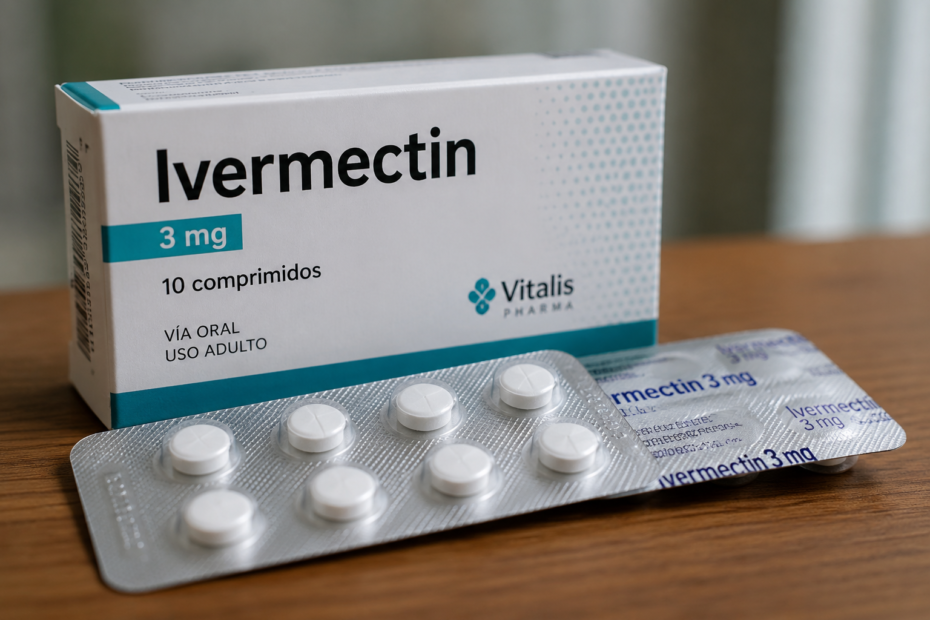
Key Takeaways
- Ivermectin is a prescription antiparasitic medication used to treat several parasitic infections in humans.
- Approved uses include strongyloidiasis, onchocerciasis (river blindness), certain cases of scabies, and other parasitic conditions.
- The medication works by disrupting the nervous system of susceptible parasites.
- Ivermectin has played a significant role in global public health programs aimed at reducing parasitic disease burden.
- Like all medications, ivermectin should be used only under the guidance of a qualified healthcare professional.
- Understanding approved uses and safety considerations is essential for informed healthcare decisions.
Introduction
Few medications have generated as much public discussion in recent years as ivermectin. Once known primarily among infectious disease specialists and global health organizations, ivermectin has become the subject of widespread online conversations, media coverage, and public curiosity.
As a result, one question continues to appear frequently in search engines:
What is ivermectin used for?
The answer is rooted in decades of medical research, clinical experience, and public health initiatives. Ivermectin is an antiparasitic medication with established uses for treating specific parasitic infections in humans. It has been used around the world for decades and has contributed significantly to disease control programs in regions where parasitic illnesses remain a major health challenge.
However, the growing visibility of ivermectin has also led to misconceptions, misinformation, and confusion about what the medication can and cannot do. Distinguishing approved medical uses from unsupported claims is essential for making informed health decisions.
This comprehensive guide explores how ivermectin works, its approved medical applications, important safety considerations, common myths, current scientific evidence, and what patients should know when discussing treatment options with healthcare providers.
Understanding the Science Behind Ivermectin
What Is Ivermectin?
Ivermectin is a prescription medication belonging to a class of compounds known as macrocyclic lactones. It was originally developed to combat parasitic infections affecting both animals and humans.
The medication became a breakthrough in infectious disease treatment because it offered an effective and relatively well-tolerated option for diseases that had historically caused significant disability and suffering.
Its impact on global health was so profound that the discovery and development of ivermectin contributed to the awarding of the 2015 Nobel Prize in Physiology or Medicine to scientists involved in its development.
Today, ivermectin remains an important tool in infectious disease management and public health programs worldwide.
How Does Ivermectin Work?
To understand what ivermectin is used for, it is important to understand its mechanism of action.
Parasites rely on specialized nerve and muscle signaling pathways to survive. Ivermectin binds to specific channels within susceptible parasites, causing an increased influx of chloride ions.
This process leads to:
- Paralysis of the parasite
- Disruption of normal biological functions
- Inability to feed or reproduce
- Eventual elimination by the host’s body
In simple terms, ivermectin interferes with the parasite’s nervous system, making survival impossible.
One reason ivermectin has become widely used is its selective action. The medication primarily targets biological structures found in parasites rather than humans, contributing to its established safety profile when used appropriately.
Important Medical Terminology
Parasite
An organism that lives on or inside another organism while obtaining nutrients at the host’s expense.
Antiparasitic Drug
A medication designed to treat infections caused by parasites.
Helminths
Parasitic worms capable of infecting humans.
Ectoparasites
Parasites that live on the body’s surface, including mites and lice.
Endoparasites
Parasites that live inside the body, often affecting the digestive system or other organs.
Understanding these concepts helps clarify why ivermectin is effective for some conditions but not necessarily appropriate for unrelated diseases.

What Is Ivermectin Used For? Approved Medical Uses
The primary answer to “what is ivermectin used for” involves the treatment of specific parasitic infections.
Strongyloidiasis
Strongyloidiasis is caused by the parasitic worm Strongyloides stercoralis.
Symptoms may include:
- Abdominal pain
- Diarrhea
- Skin irritation
- Unexplained weight loss
- Chronic digestive issues
Without treatment, the infection can persist for years and may become serious in individuals with weakened immune systems.
Ivermectin is widely regarded as one of the most effective treatment options for this condition.
Onchocerciasis (River Blindness)
Onchocerciasis is caused by the parasite Onchocerca volvulus and is transmitted through repeated bites from infected blackflies.
The condition may lead to:
- Severe itching
- Skin changes
- Eye inflammation
- Visual impairment
- Blindness in advanced cases
According to the World Health Organization (WHO), ivermectin has played a central role in global programs aimed at controlling and eliminating river blindness in affected communities.
For additional information, readers can review the WHO’s overview of onchocerciasis:
https://www.who.int/news-room/fact-sheets/detail/onchocerciasis
Mass treatment campaigns have significantly reduced disease prevalence in many regions where river blindness was once a major public health concern.
Scabies
Scabies is caused by microscopic mites that burrow beneath the skin.
Common symptoms include:
- Intense itching
- Skin rash
- Sleep disruption
- Secondary skin infections from scratching
Although topical therapies remain common, oral ivermectin may be prescribed in specific situations, particularly during outbreaks, institutional settings, or severe infestations.
Head Lice
Certain formulations of ivermectin are approved for the treatment of head lice infestations.
The medication can help eliminate lice when traditional treatment approaches are ineffective or impractical.
Lymphatic Filariasis Control Programs
Ivermectin is frequently used in combination with other medications during mass drug administration campaigns designed to reduce lymphatic filariasis.
This parasitic disease can cause:
- Chronic swelling
- Lymphatic dysfunction
- Disability
- Reduced quality of life
Public health initiatives using ivermectin have contributed to disease reduction efforts in multiple countries.
Why Understanding Ivermectin Matters
Global Disease Burden
Parasitic infections continue to affect millions of individuals worldwide.
These infections can contribute to:
- Malnutrition
- Reduced educational outcomes
- Impaired growth
- Decreased productivity
- Chronic health complications
The availability of effective antiparasitic medications has significantly improved outcomes in many communities.
Quality of Life Considerations
Untreated parasitic infections may affect:
- Sleep quality
- Daily functioning
- Physical comfort
- Nutritional status
- Mental well-being
Appropriate diagnosis and treatment can dramatically improve quality of life.
Public Health Importance
Large-scale ivermectin treatment programs have demonstrated how targeted medical interventions can improve population health.
By reducing infection rates across communities, treatment programs help lower transmission and improve long-term outcomes.
Evidence-Based Strategies for Prevention and Wellness
While ivermectin treats certain infections, prevention remains the most effective long-term strategy.
Prioritize Good Hygiene
Simple hygiene practices continue to be among the most effective preventive measures.
Recommendations include:
- Regular handwashing
- Safe food handling
- Proper sanitation
- Access to clean water
- Maintaining clean living environments
Support Immune Health Through Nutrition
A nutrient-dense dietary pattern supports overall health and normal immune function.
Focus on:
- Lean proteins
- Fruits and vegetables
- Whole grains
- Healthy fats
- Adequate hydration
Maintain Healthy Sleep Habits
Quality sleep is essential for immune regulation and recovery.
Most adults benefit from:
- 7–9 hours of sleep nightly
- Consistent sleep schedules
- Reduced evening screen exposure
Stay Physically Active
Regular movement supports:
- Cardiovascular health
- Metabolic function
- Immune regulation
- Long-term wellness
Manage Chronic Stress
Chronic stress can negatively influence several biological systems.
Helpful approaches include:
- Meditation
- Deep breathing
- Mindfulness
- Social connection
- Time outdoors
Important Safety Information
Common Side Effects
Most individuals tolerate ivermectin well when used appropriately.
Potential side effects include:
- Headache
- Dizziness
- Fatigue
- Nausea
- Diarrhea
- Mild skin reactions
These effects are often temporary and resolve without intervention.
Serious Side Effects
Although uncommon, serious adverse reactions can occur.
Possible concerns include:
- Severe allergic reactions
- Neurological symptoms
- Significant skin reactions
- Vision disturbances
Individuals experiencing serious symptoms should seek immediate medical attention.
Veterinary Products Are Not Human Medications
A critical safety point emphasized by healthcare authorities is that veterinary ivermectin products should never be used as substitutes for human medications.
The U.S. National Library of Medicine’s MedlinePlus drug information resource provides detailed information regarding proper use, precautions, and safety considerations:
https://medlineplus.gov/druginfo/meds/a607069.html
Different formulations may contain vastly different concentrations and inactive ingredients.
Medication Interactions
Patients should inform healthcare providers about:
- Prescription medications
- Over-the-counter products
- Dietary supplements
- Herbal remedies
This helps minimize potential interactions and optimize treatment safety.
Common Myths and Misconceptions
Myth 1: Ivermectin Treats Every Type of Infection
Reality:
Ivermectin is effective against specific parasites but is not a universal treatment for all infectious diseases.
Myth 2: More Medication Means Better Results
Reality:
Taking higher-than-prescribed doses increases the risk of adverse effects and does not necessarily improve outcomes.
Myth 3: Decades of Use Means Zero Risk
Reality:
Every medication carries potential risks and side effects.
Long-term clinical experience improves understanding of those risks but does not eliminate them.
Myth 4: Online Advice Is Equivalent to Medical Guidance
Reality:
Healthcare decisions should be based on qualified medical expertise and high-quality scientific evidence.
Myth 5: All Ivermectin Products Are Identical
Reality:
Human and veterinary formulations differ significantly in concentration, manufacturing standards, and intended use.
What Current Research Reveals
Established Scientific Consensus
Researchers broadly agree that ivermectin is effective for several approved parasitic infections.
Its effectiveness in these settings is supported by decades of clinical use and extensive scientific literature.
Areas of Ongoing Investigation
Researchers continue to explore:
- Improved treatment protocols
- Resistance monitoring
- Novel delivery methods
- Expanded applications for parasitic diseases
Current Treatment Guidance
The Centers for Disease Control and Prevention (CDC) continues to provide guidance regarding ivermectin’s use in treating specific parasitic infections.
Readers interested in clinical guidance can review CDC resources here:
https://www.cdc.gov/filarial-worms/treatment/onchocerciasis.html
The CDC emphasizes evidence-based evaluation of treatment recommendations and ongoing scientific review.
Research Limitations
As with any medical topic, research findings should be interpreted carefully.
Important considerations include:
- Study quality
- Sample size
- Methodology
- Reproducibility
- Population differences
Strong conclusions require consistent evidence across multiple high-quality studies.
Practical Applications for Patients
When Should You Discuss Ivermectin With a Healthcare Provider?
Consider professional evaluation if you experience:
- Persistent gastrointestinal symptoms
- Unexplained rashes
- Travel-related illness
- Exposure to parasitic infections
- Chronic itching
A proper diagnosis is essential before treatment decisions are made.
Questions to Ask Your Healthcare Provider
Useful questions may include:
- Is ivermectin appropriate for my condition?
- What alternatives exist?
- What side effects should I monitor?
- Are follow-up tests necessary?
- Could ivermectin interact with my medications?
Monitoring Progress
Effective treatment monitoring may involve:
- Follow-up appointments
- Symptom tracking
- Laboratory testing
- Adherence to prescribed therapy
Supporting Recovery
Lifestyle habits that support overall recovery include:
- Proper hydration
- Balanced nutrition
- Adequate sleep
- Physical activity
- Stress management
After explaining the ivermectin mechanism → Ivermectin Medication Facts: Uses, Safety Information, Side Effects, and What Patients Should Know
Expert Perspectives
Nutrition Science Perspective
Nutrition experts consistently emphasize that medications and lifestyle interventions work best together.
A nutrient-rich dietary pattern supports recovery, resilience, and overall health.
Lifestyle Medicine Perspective
Lifestyle medicine focuses on:
- Nutrition
- Physical activity
- Sleep
- Stress reduction
- Social connection
These factors remain foundational pillars of long-term wellness.
Public Health Perspective
Public health experts view ivermectin as a valuable tool for controlling specific parasitic diseases at both individual and community levels.
Its success demonstrates how targeted interventions can improve health outcomes across entire populations.
Future Outlook
Precision Medicine
Future healthcare approaches may increasingly tailor treatments based on individual biological characteristics.
Enhanced Disease Surveillance
Improved diagnostic technologies may support earlier detection of parasitic infections and more targeted treatment strategies.
Digital Health Integration
Emerging technologies may improve:
- Patient education
- Treatment adherence
- Remote monitoring
- Public health communication
Preventive Health Evolution
As healthcare continues shifting toward prevention-focused models, greater emphasis will likely be placed on early detection, education, and evidence-based interventions.
Frequently Asked Questions
What is ivermectin used for in humans?
Ivermectin is primarily used to treat parasitic infections such as strongyloidiasis, onchocerciasis, scabies, and certain lice infestations.
Is ivermectin an antibiotic?
No. Ivermectin is classified as an antiparasitic medication.
How does ivermectin kill parasites?
It disrupts nerve and muscle signaling within susceptible parasites, leading to paralysis and elimination.
Is ivermectin safe?
When prescribed appropriately and used according to medical guidance, ivermectin has an established safety profile. However, side effects and risks remain possible.
Can ivermectin prevent parasitic infections?
Its primary role is treatment. Preventive measures depend on the specific infection and public health recommendations.
Why is ivermectin important globally?
It has helped reduce the burden of several parasitic diseases through both individual treatment and large-scale public health initiatives.
What should I do before taking ivermectin?
Consult a qualified healthcare professional to determine whether the medication is appropriate for your condition.
Conclusion
The question “what is ivermectin used for?” has a clear evidence-based answer. Ivermectin is a well-established antiparasitic medication that plays an important role in treating conditions such as strongyloidiasis, onchocerciasis, scabies, and other parasitic infections. Its impact extends beyond individual patient care, contributing significantly to global public health efforts aimed at reducing the burden of neglected tropical diseases.
At the same time, responsible use requires understanding both the benefits and limitations of the medication. Trusted health authorities, including the WHO, CDC, and MedlinePlus, continue to emphasize evidence-based decision-making, appropriate prescribing practices, and ongoing scientific evaluation.
Ultimately, the most effective healthcare choices are guided by reliable evidence, professional medical advice, and a broader commitment to preventive wellness. Understanding how medications like ivermectin fit within that framework empowers individuals to make informed decisions that support long-term health and well-being.