

Building Informed, Responsible Health Decisions Online
Access to health information has never been easier, but making safe and informed wellness decisions requires understanding, awareness, and trusted guidance. The goal of wellness support and medication awareness is to help users interpret health information responsibly and avoid misinformation.
This guide explores how to use educational wellness resources effectively while making safer healthcare decisions.
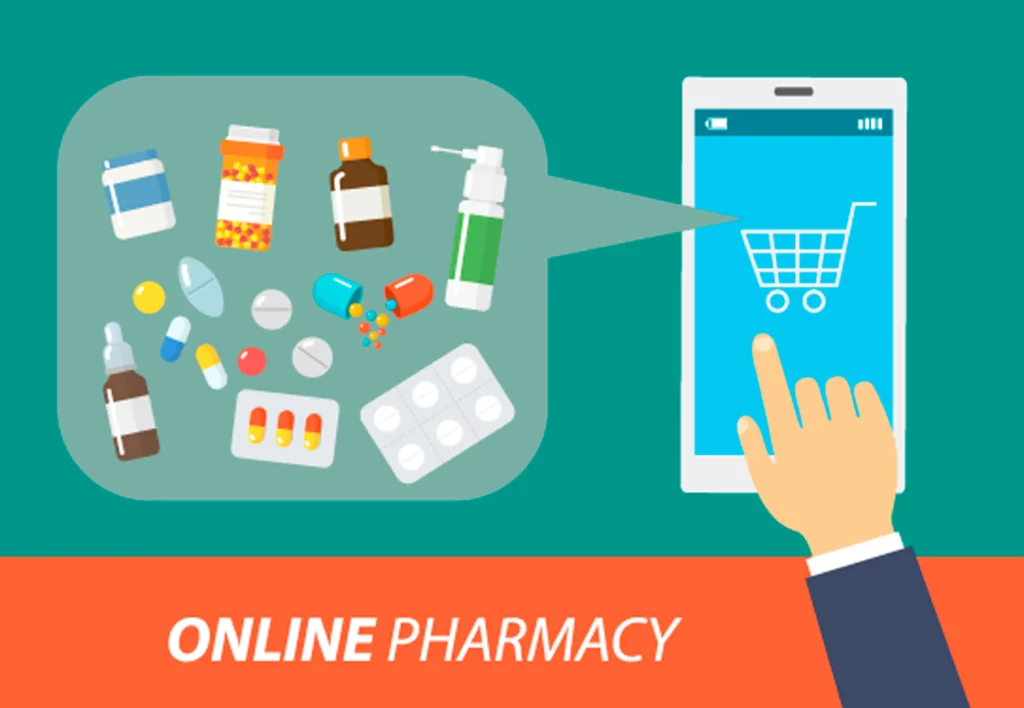
Understanding Wellness Support Resources
Wellness support resources are educational tools designed to help users understand:
- Medication awareness and safe usage
- General health and wellness education
- Responsible healthcare decision-making
- Basic understanding of treatment information
These resources are not a replacement for professional medical advice but serve as supportive educational tools.
For trusted global health education, you can refer to:
Why Medication Awareness Matters
Understanding medications and health treatments is a key part of responsible healthcare behavior. Proper awareness helps users:
- Avoid misinformation
- Understand general medication purpose
- Recognize the importance of professional guidance
- Make informed health decisions
Wellness education supports safer interactions with healthcare systems and improves overall health literacy.
Why Medication Awareness Matters
Understanding medications and health treatments is a key part of responsible healthcare behavior. Proper awareness helps users:
- Avoid misinformation
- Understand general medication purpose
- Recognize the importance of professional guidance
- Make informed health decisions
Wellness education supports safer interactions with healthcare systems and improves overall health literacy
How to Use Wellness Information Safely
1. Rely on Trusted Sources
Always verify information using credible platforms such as:
- Medical institutions
- Government health websites
- Licensed healthcare providers
2. Understand the Limits of Online Information
Online wellness content is helpful, but it:
- Does not replace diagnosis
- Does not replace prescriptions
- Should not be used for self-treatment decisions
3. Focus on Education, Not Self-Medication
Wellness awareness is meant to:
- Improve understanding
- Support conversations with professionals
- Promote responsible healthcare decisions
4. Check for Evidence-Based Information
Reliable resources always:
- Cite medical studies
- Use professional review processes
- Avoid exaggerated claims

Responsible Wellness Decision-Making
Good health decisions are based on:
- Professional medical advice
- Verified educational resources
- Awareness of risks and safety
- Clear understanding of treatment purposes
Wellness education helps users become more informed participants in their healthcare journey.
Internal Wellness Resource
To explore related wellness and informational content, visit:
👉 Wellness Support & Medication Awareness Hub
Building a Health-Conscious Digital Environment
A strong wellness education system promotes:
- Transparency in health information
- Safe interpretation of medical content
- Reduced misinformation online
- Better communication with healthcare providers
These principles are essential for responsible digital health engagement.
Final Note
This content is for educational purposes only and does not replace professional medical advice. Always consult a qualified healthcare provider for diagnosis and treatment decisions.